How to Care for Your Grandfather Clock
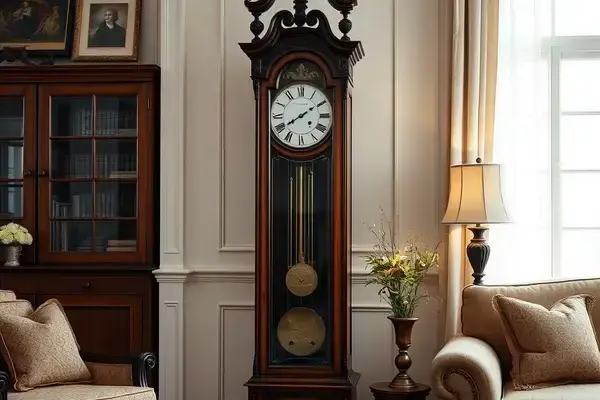
A grandfather clock is more than a timepiece — it's often a family heirloom that has been passed down through generations. Proper care ensures it keeps running for another hundred years. Here's how to maintain your grandfather clock.
Placement Matters
Where you place your grandfather clock affects its performance. Keep it away from heating vents, air conditioners, and direct sunlight. These cause the wood to expand and contract, which can affect the movement. A stable, interior wall is ideal.
Winding Properly
Most grandfather clocks need winding once a week. Use the key provided and turn it slowly until it stops — don't force it. Over-winding can damage the mechanism. If your clock has a pendulum, make sure it's swinging freely and hasn't been disturbed.
Leveling the Clock
A grandfather clock must be perfectly level to keep accurate time. Use a level on top of the case and adjust the feet or place shims underneath until it's level both front-to-back and side-to-side. An unlevel clock will keep inconsistent time.
Humidity Control
Wood expands and contracts with humidity changes. In dry winter months, consider using a humidifier to keep the wood stable. Excessive humidity can cause the movement to rust. Aim for 40-60% relative humidity in the room.
When to Call a Professional
If your clock stops, runs erratically, or the chimes don't sound right, it's time to call a professional. Attempting to repair it yourself can cause more harm than good. A qualified horologist can service the movement and restore it to proper working condition.
Need Professional Service?
We specialize in grandfather clock restoration. Bring your clock in for a free evaluation and we'll get it running like new.
Learn About Our ServicesPosted in Clock Maintenance, Grandfather Clock